
A sunroom sounds like the perfect space until you picture it in January. Too cold. Too drafty. Too bright in summer. And then it becomes the room you only use for a few months a year.
A four-season sunroom is different. It’s designed and built like the rest of your home, so it stays comfortable in Buffalo winters, muggy summer days, and everything in between. If you’re building new, this is the moment to do it right because the best comfort upgrades are easiest when they’re planned from the start.
A true four-season sunroom is insulated, air-sealed, and integrated with your home’s heating and cooling. The windows are high-performing, the floor and roof are built for year-round conditions, and the space has a plan for airflow, humidity, and sunlight.
If any one of those pieces is missing, it can still look beautiful. It just won’t feel great when the weather swings.
Windows are the whole point of a sunroom, and they’re also the biggest comfort variable.
Look for features like:
And make sure the window layout is intentional. A wall of glass facing the wrong direction can turn the room into an oven in July.
If you want it to live like the rest of the first floor, it has to be built like the rest of the first floor.
That means:
This is the behind-the-scenes stuff, like Zip Panel Sheathing, which is installed in every Natale home. It’s what separates “pretty room” from “everyday room.”
A four-season sunroom shouldn’t rely on space heaters or fans as the plan. It should have a real strategy.
Common options include:
The right choice depends on your layout, the amount of glass, and how you want the room to feel. But the key is sizing. Sunrooms behave differently from interior rooms because of solar gain and window surface area.
Sunlight is wonderful. It’s also tough on finishes over time.
If you want the room to hold up, look for flooring that’s durable and stable, and ask about:
If you’re planning radiant heat, confirm the flooring is compatible from day one.
This is the feature people forget, then regret the first time they try to watch TV in there.
Easy ways to keep the light but control the intensity:
And yes, orientation matters. South- and west-facing rooms usually need more shade planning.
In winter, a sunroom can feel dry. In summer, it can feel sticky. Ventilation and humidity control keep it comfortable and protect the materials in the room.
Depending on the design, this might look like:
A higher ceiling can make a sunroom feel airy, but it also affects how heat moves. Heat rises, and in a glassy room, it can rise fast.
A good design pairs ceiling height with:

Four seasons means evenings too, not just sunny mornings.
A solid plan usually includes:
Lighting won’t change the temperature, but it can make the room feel finished and inviting year-round.
If you want a sunroom that’s comfortable 12 months a year, you should be able to say “yes” to these:
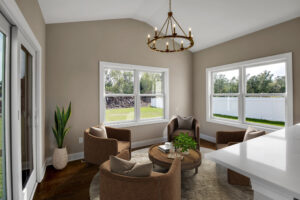
A four-season sunroom becomes the room you naturally drift into. Coffee spot. Homework zone. Quiet corner. Hosting overflow. It’s one of the few upgrades that changes how the whole first floor feels, and it gives you that bright, open vibe even when it’s freezing outside.
If you’re building and you love the idea of a sunroom, bring it up early in the process. Natale Builders has a variety of floor plans with sunroom options, so you can start with a layout you already love, then dial in the details like comfort, window placement, and HVAC from the start. Reach out to Natale Builders to talk through the plans and find the right fit for your home.