
When most of us think about fireplaces in the home, we probably imagine a beautiful brick or stone mantle centered on a wall of the great room, offering a bit of rustic charm and warmth to our main living space. Traditional fireplaces were almost always placed on a sidewall of a main room as chimney construction was most easily done from this location.
The advent of gas and electric fireplaces, however, along with improved venting and chimney building techniques, have allowed architects and builders to experiment with different designs and placement options for fireplaces. The double-sided fireplace is an eye-catching, alluring, and multifunctional alternative to the traditional hearth.
Below, we look at some of the best double-sided fireplace designs, analyze the cost of a double-sided fireplace, and offer a quick rundown on the pros and cons of a double-sided fireplace for your home.
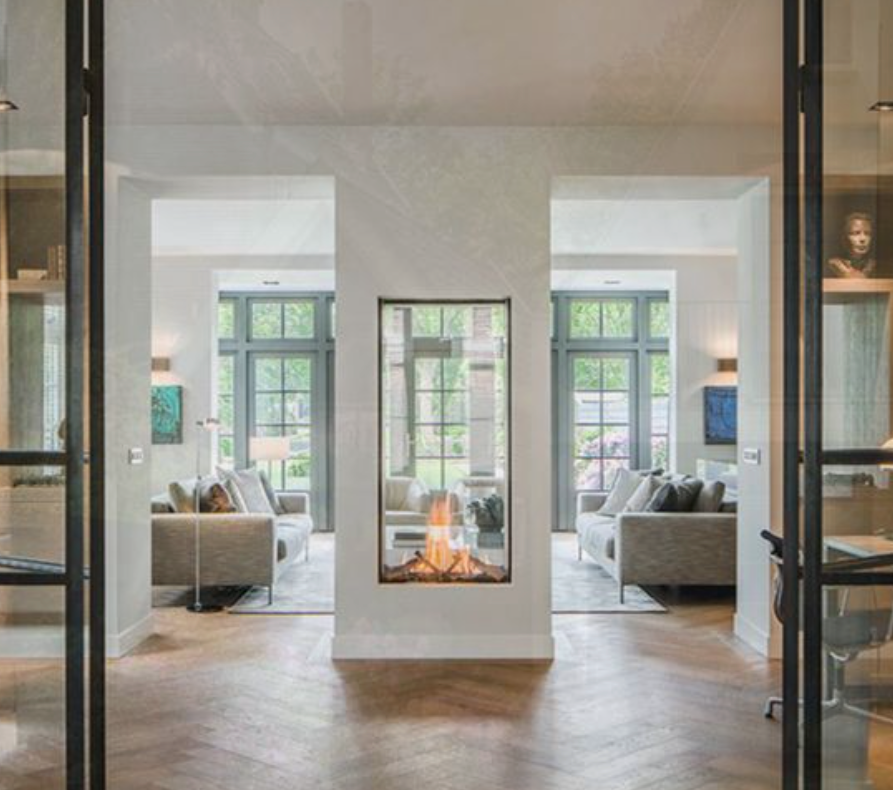
Imagine walking into a neighbor’s spacious living room and finding a double-sided fireplace placed strategically in the middle of the room. The alluring glow of the gas-infused fire is suspended a few feet off the ground and set into a dividing wall, enclosed by thick glass. The warmth of the fire is not only pleasantly heating the room, but also acts as a natural divider for the large living room space. It also allows for continued visual and light flow between the divided areas of the living room.
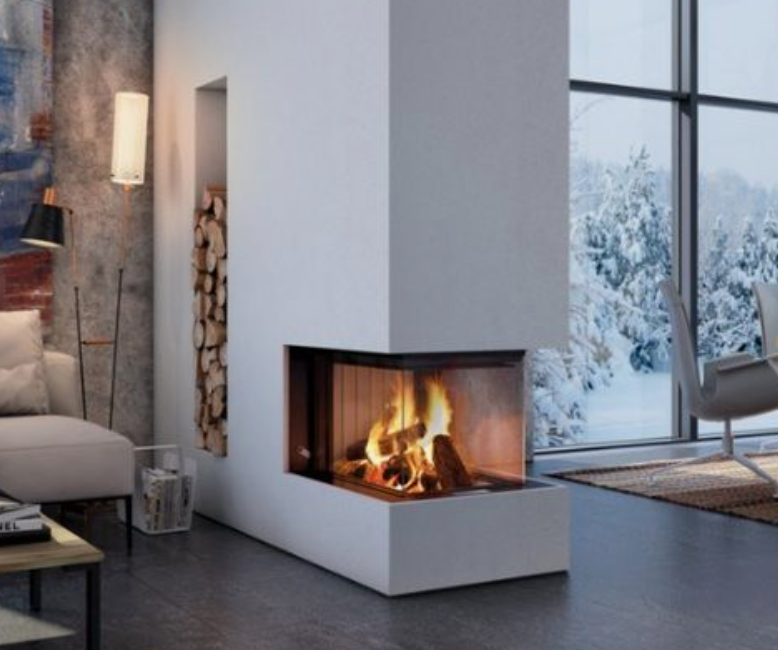
Double-sided fireplaces are unique in that they allow for an enormous variety of design opportunities. These types of fireplaces are almost always smaller than traditional “brick-and-mortar” fireplaces. They are also generally encased in thick, sturdy glass. This safety glass achieves the function of enclosing the flames, smoke, and odors – to protect from fire hazards, accidental burns, and extra trips to the dry cleaners, while offering additional aesthetic value and a clean, modern ambiance.
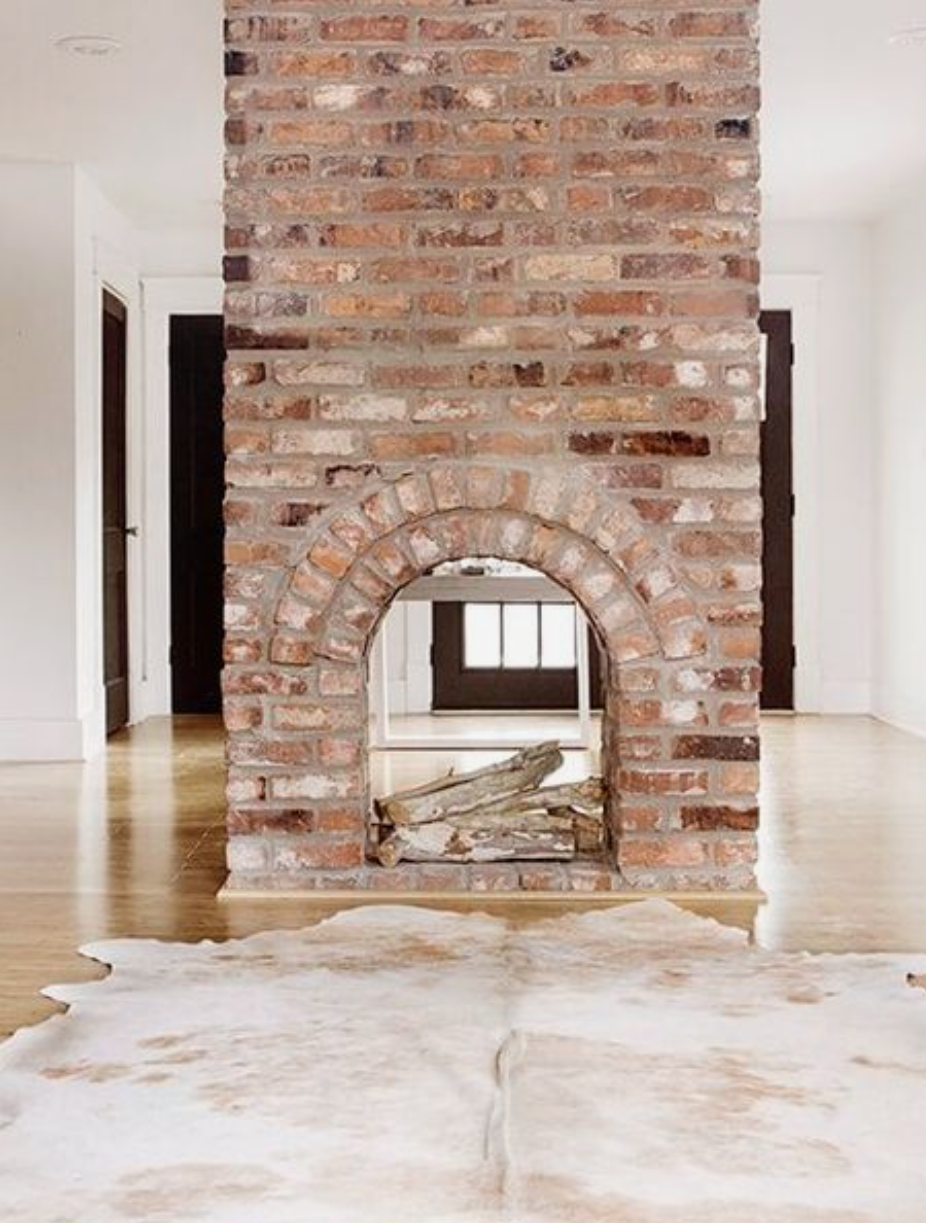
Of course, the glass enclosure also allows the magical glow of the fire to be appreciated from different angles. It is also possible, however, to design a double-sided fireplace without a glass enclosure. Typical mantle-style fireplaces can be placed as a partition between two separate spaces, thus offering double the warmth while also keeping a free flow to your home design.
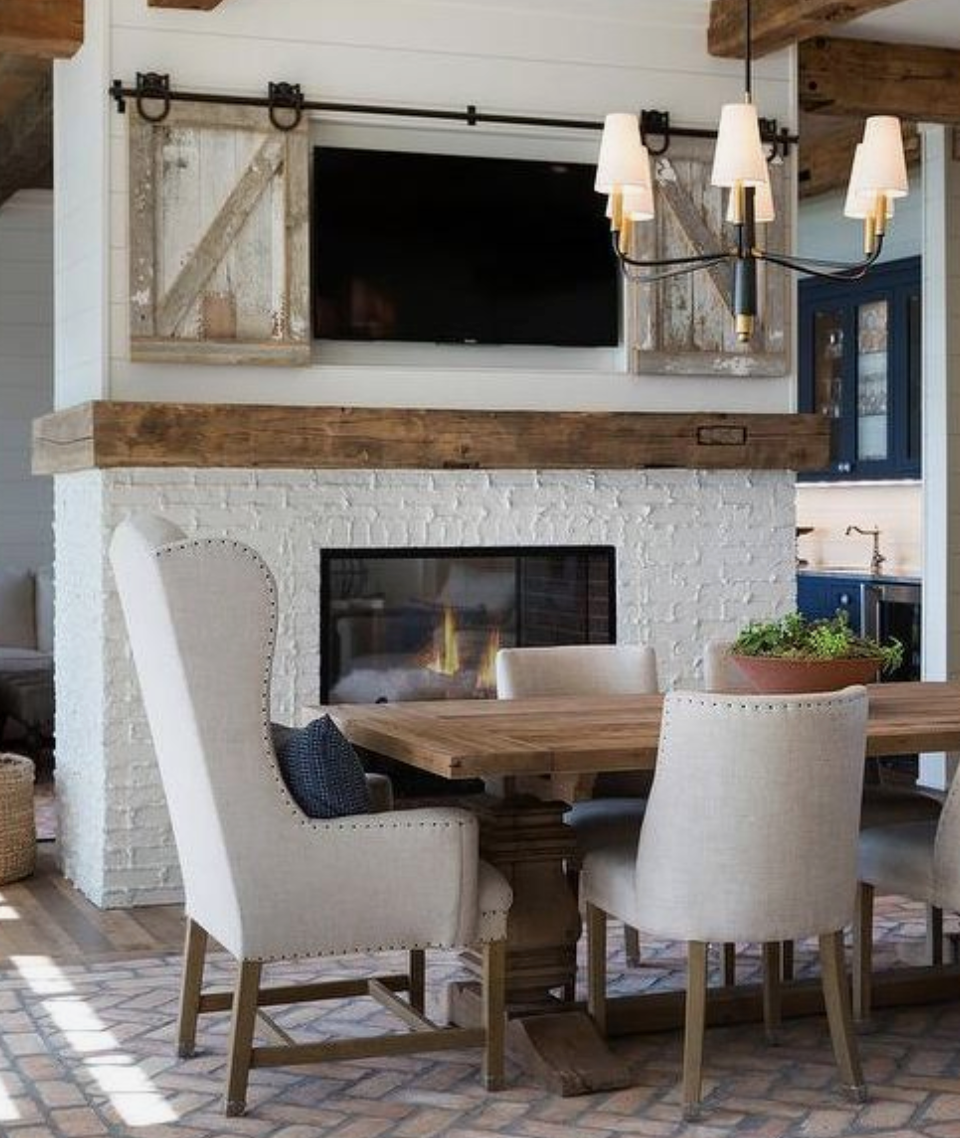
The design opportunities for a double-sided fireplace are virtually endless, but we especially like the idea of placing a double-sided fireplace in between a kitchen and dining room area. This natural partition allows for unconstrained movement between the two areas, while simultaneously delivering warmth and ambiance to both areas of the home.
As we mentioned above, one of the main benefits of a double-sided fireplace is that it allows for double the amount of warmth through amplifying the area where the fire can radiate its heat. Whereas most traditional fireplaces concentrate their heat in a small corner of the home, a double-sided fireplace more efficiently radiates heat throughout the two full-sized areas where the unit is located.
Their smaller size also allows double-sided fireplaces to be conveniently placed in smaller areas where a regular sized fireplace might not be feasible. For example, a small glass-enclosed double-sided fireplace could potentially be placed within a three-foot high half-partition between two rooms. Also, the design flexibility that comes with these types of fireplaces allows homeowners to maintain the light, spaciousness, and open-plan feel of your interior living space.
On the downside, double-sided fireplaces tend to be more modernistic in their functionality and design (though as we see from the examples above, this doesn’t have to be the case! If you can dream it, we can build it.)
Another drawback that comes with double-sided fireplaces is that they can be more expensive than a traditional fireplace. The cost will of course depend on the size of the unit, whether it is vented or ventless, and other design considerations.
Homeowners in the Western New York area can expect to start around $8,000 and go up for a double-sided fireplace.
If you’re daydreaming about your dream home and feel that a double-sided fireplace would be the perfect way to open up your floor plan while adding warmth and ambiance for generations to come, contact us today.
We’re the leading custom home builder specializing in helping homeowners in Western New York design and build custom homes using the best materials. Our designers can help you find the absolute best way to incorporate a double-sided fireplace into your interior design.
We have over 50 years of experience in building custom homes, and we are also an industry leader in Energy Star and Green Build designs for homes and neighborhoods in Western New York. Contact us to start planning your dream home today!