
The Kitchen Advantage

October 22, 2025

Natale Builders and Kitchen Advantage work together to bring our clients the most current options in kitchen design.

Kitchen cabinetry will continue into 2019 with a minimalist trend. Modern cabinets have cleaner lines and are free of ornate design work often found in traditional cabinets. While white and gray kitchens continue to be the most popular, custom paint colors are unique and build character in your kitchen. Omega Cabinetry has teamed up with Sherwin Williams to provide limitless color choices for your cabinets.
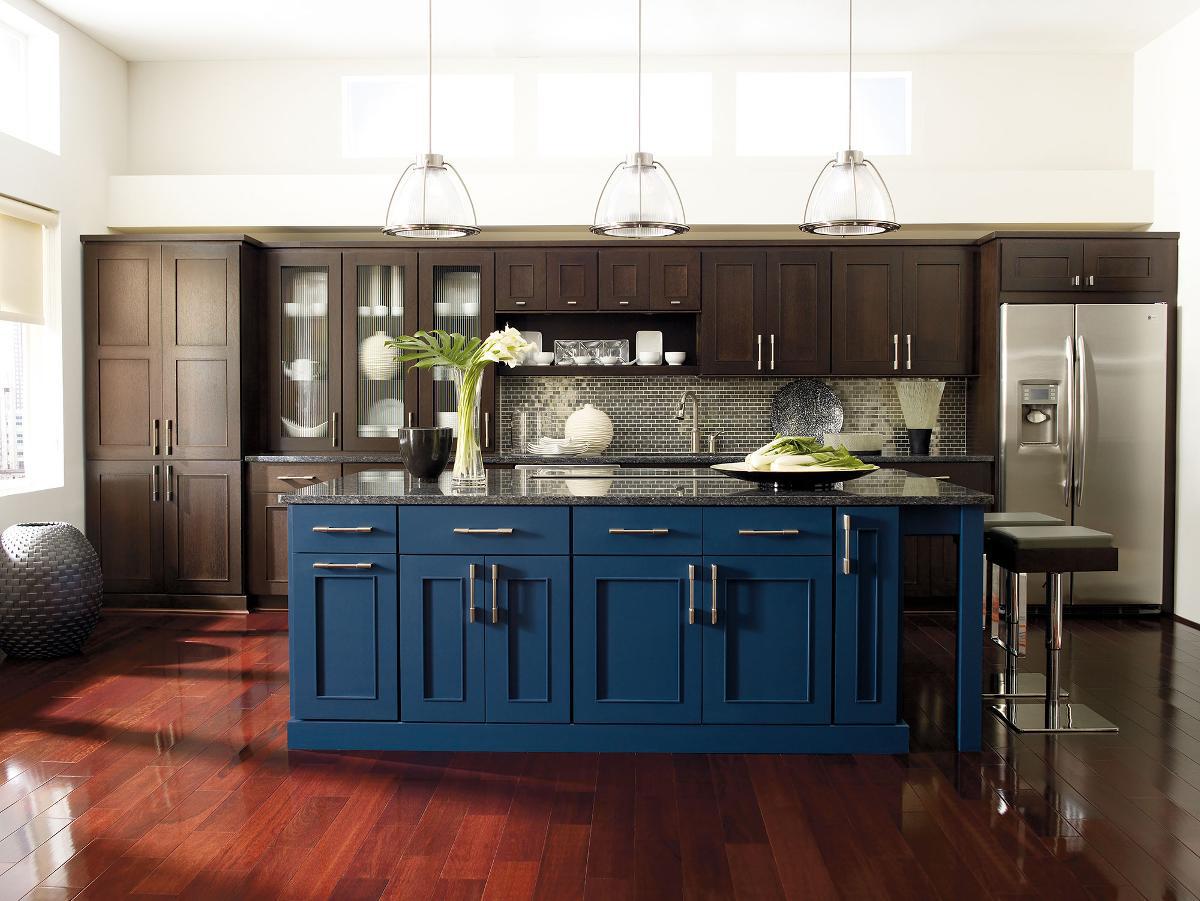
kitchen island blue cupboards

Quartz countertops will continue to be the trend for 2019. Cambria comes in over 160 colors. The patterns and finishing techniques continue to make it very popular. With their wide array of color options, they have many that resemble the look of marble with the durability of quartz. The high gloss finish is still used the most in Western New York but matte finishes are on the rise. Putting an oversized sink or a large apron front sink in your countertop is also growing in popularity.
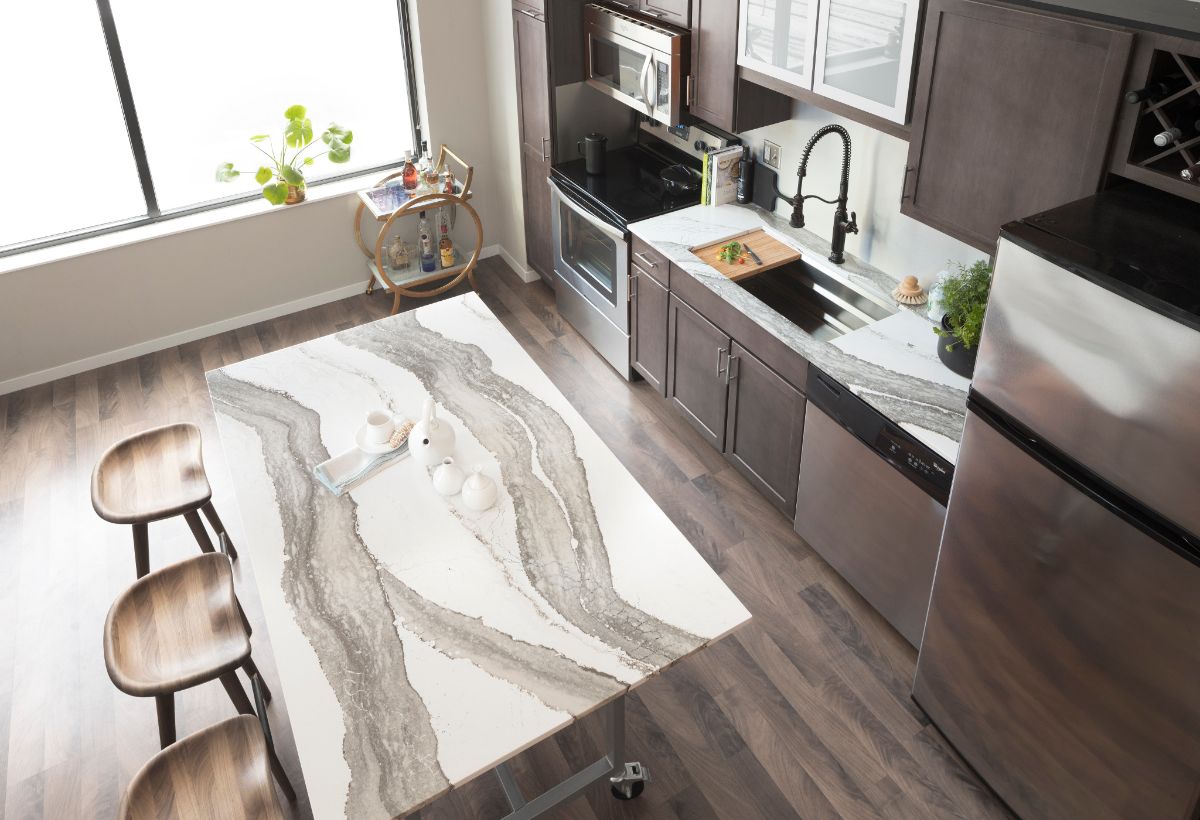
kitchen interior light grey

Call Natale Builders at (716) 580-3318 to start designing your Forever Home today!

Read More

Do I Need a Survey? And What Is Percolation Testing? 

Not sure if you need a survey or percolation testing before you build? This quick guide breaks down what each one does, why it matters for permits and septic planning, and how Natale Builders helps you handle the steps with confidence.

Septic vs. Sewer for a New Build 

Choosing between septic and sewer for your new build comes down to what’s available in your area, your upfront budget, and your site’s soil conditions. Sewer is the most hands-off option with monthly utility fees, while septic typically costs more to install and maintain but can save you from ongoing sewer bills if your lot meets the land and drainage requirements.

WNY Seed-Starting Timeline: What to Start Indoors in Late January and February 

Western New York gardeners can get ahead by building a seed-starting schedule based on the average last frost date, then counting backward to time indoor starts correctly. This guide covers what to start indoors in late January and February, and what not to start too early to avoid common seed-starting mistakes.