
When building a custom home, it’s easy to focus on finishes—granite countertops, walk-in closets, or luxurious spa bathrooms. But what lies beneath the surface is just as important. At Natale Builders, we don’t just aim to impress with beauty; we build homes designed to perform, last, and improve your everyday life. That’s why we include ZIP System® R-Sheathing as a standard feature in every home we build.
What is it? Why does it matter? And why aren’t more builders in Western New York using it? Let’s dig in.
ZIP System® R-Sheathing is an all-in-one advanced wall system that combines structural sheathing, continuous insulation, and an integrated weather barrier into a single panel. Designed by Huber Engineered Woods, it delivers superior air and moisture protection while meeting or exceeding code requirements for wall insulation.
In plain terms, it helps keep the outside out and your inside just right—efficiently and reliably.
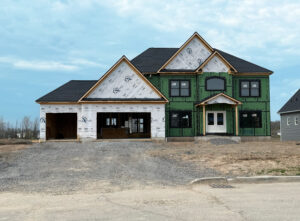
Our region faces intense seasonal shifts. One week, it’s 85°F; the next, it’s snowing. Homes that can’t handle this variability risk higher energy bills, increased wear and tear, and indoor discomfort. ZIP System® R-Sheathing provides:
This isn’t just theoretical—engineered performance directly improves how your home handles heat, cold, wind, and rain.
Homebuyers today are looking for smarter, greener homes. The ZIP System® is a major reason Natale homes are more energy-efficient than typical new builds. When your home’s envelope is better sealed and insulated, your HVAC system works less, you spend less on energy, and your home maintains a more consistent temperature—year-round.
This also supports our commitment to ENERGY STAR® certified and Net Zero Ready homes, making every Natale home an investment in long-term sustainability and savings.
Truthfully, it’s more expensive than traditional sheathing and house wrap. Many builders cut corners to keep upfront costs down.
At Natale, we see things differently. Quality materials upfront mean fewer repairs, greater comfort, and better resale value later. It’s part of why we’ve earned the trust of so many Western New York families over the past 50+ years.
You may not see the ZIP System® after your walls are up—but you’ll feel the difference every season.
When you choose Natale Builders, you’re not just choosing a quality home—you’re choosing a smarter, stronger, more efficient home. ZIP System® R-Sheathing is one of the many reasons our homes outperform the rest—and it’s included in every home we build.
Are you curious about how we build differently? Contact us to tour one of our model homes or speak with our team about starting your build.