
When searching for a new home, there are many features that will likely be at the top of your priority list – the latest kitchen appliances, hardwood flooring, high-end bathroom fixtures, etc. All of these items make up the character inside the home, but what about your home’s exterior? A home’s siding plays an important role in creating a beautiful look on the outside while protecting all you love and cherish on the inside.
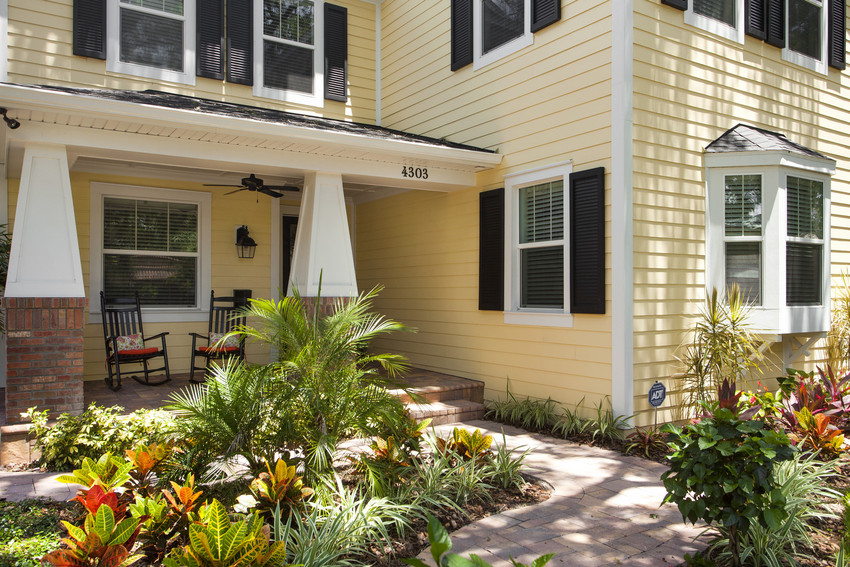
In our Creekwood Meadow’s community, we are proud to feature James Hardie® fiber cement siding and trim on the exterior of our homes.
Installed on over 8 million* homes across North America, James Hardie has been praised by the press, the remodeling industry and homeowners for the beauty and durability of their products.
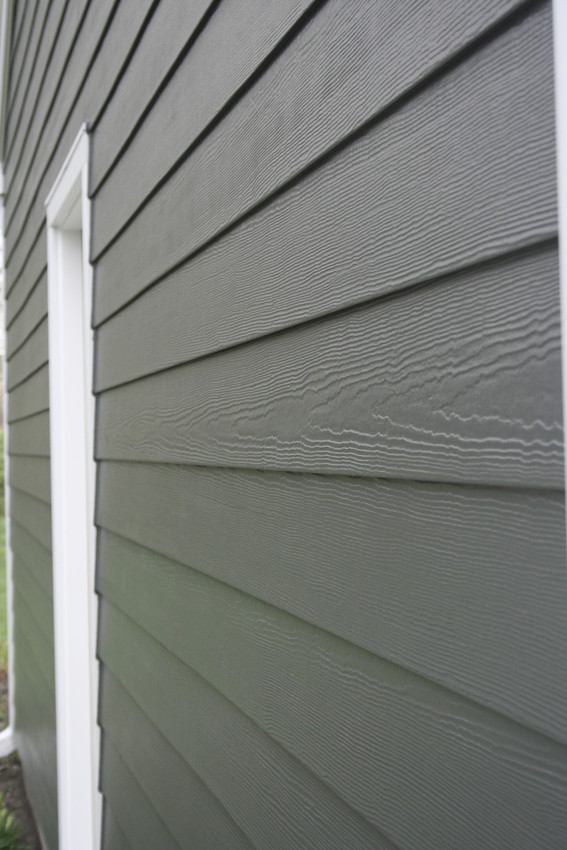
James Hardie created fiber cement over 30 years ago and remains the leader in the field. Their advanced formulation creates superior stability and durability for unrivaled performance and beauty. Deep, wood grain finishes and superior strength provide instant curb appeal and lasting protection with low maintenance upkeep.
With James Hardie ColorPlus® Technology, the proprietary finishes are baked onto the boards during manufacturing, creating a beautiful, consistent finish for years of lasting character, adhesion and fade resistance.
The things we value most should last the longest. That’s why James Hardie products have been Engineered for Climate®, so no matter where you live, you can be confident that your home’s exterior is going to stand up to beautifully, whatever the elements.

Weather – James Hardie fiber cement siding helps resist the impact of hail and windblown debris and is designed to perform in extreme heat and cold.

Water – Water resistant to protect against swelling, warping and cracking; also resists mold damage.

Time – Resists shrinking and swelling even after years of wet or freezing conditions, reducing time and money spent on maintenance

Pests – Holds no appeal for woodpeckers, termites and other pests

Fire Resistance – Non-combustible and resists damage from extreme heat, providing more durability and protection for your home
In addition to the above protection, James Hardie siding products come with industry leading warranties. All James Hardie siding products come with a 30-year, non-prorated warranty and trim products come with a 15-year, non-prorated warranty. ColorPlus® Technology finish comes with a 15-year limited warranty that covers paint and labor, protecting against peeling, cracking and chipping
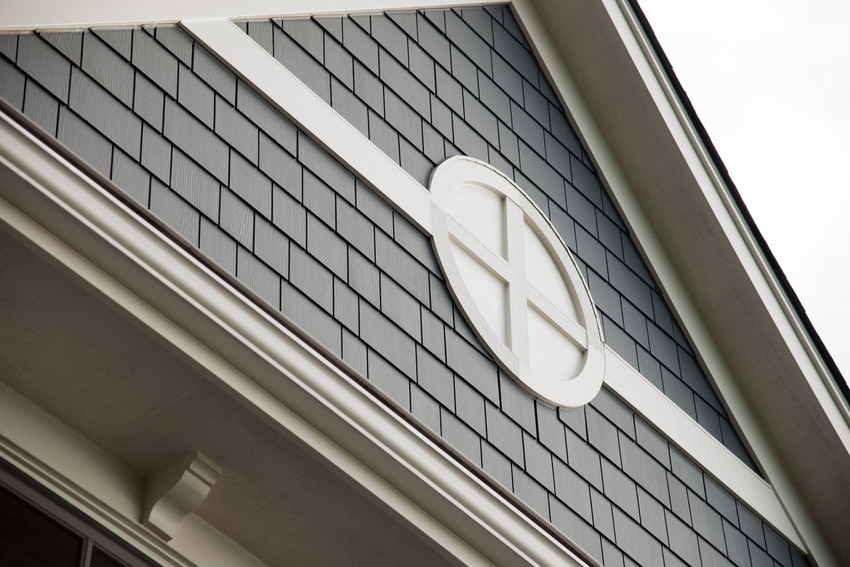
The things we value most should last the longest – and a beautiful exterior can enhance a home’s curb appeal for decades to come.
Learn more about James Hardie products at jameshardie.com.
*Estimate based on sales volume and average house size.